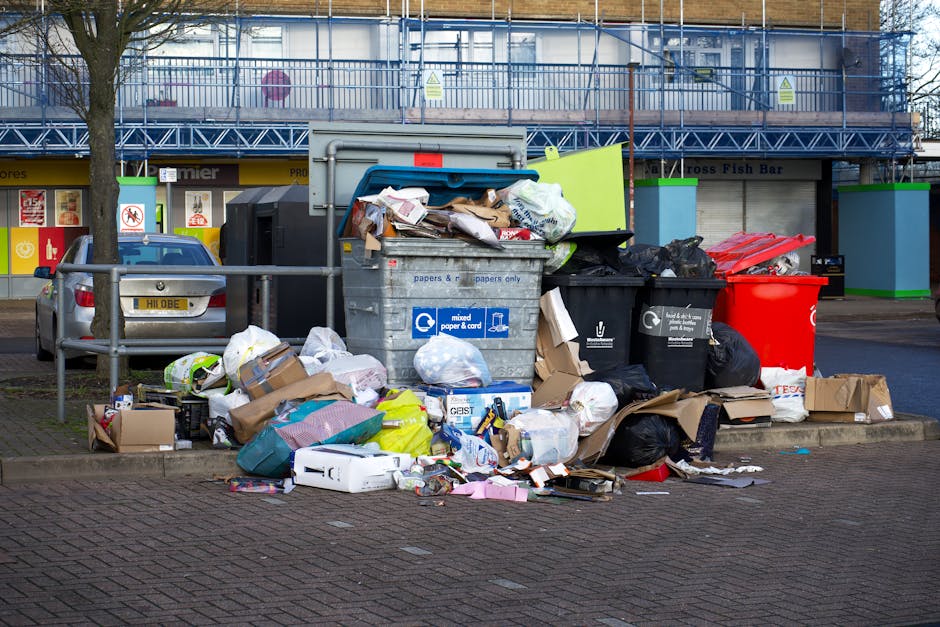
Avoid hidden charges with rubbish collection in Covent Garden

If you need rubbish collection in Covent Garden, the last thing you want is a bill that grows the moment the team arrives. Hidden fees can turn a simple clearance into a frustrating experience, especially when you're juggling limited access, tight stairwells, loading restrictions, or a last-minute office tidy-up. This guide shows you how to avoid hidden charges with rubbish collection in Covent Garden, what to check before you book, and how to compare services without getting caught out. Let's face it, nobody enjoys paying for surprises.
Whether you're clearing a flat, a shop storeroom, a basement, or a few bulky items after a renovation, the same principle applies: clear pricing upfront saves time, stress, and money. Below, you'll find a practical, no-nonsense walkthrough with real-world tips, a comparison table, a checklist, and common pitfalls to watch for.
- Why it matters
- How it works
- Key benefits
- Who this is for
- Step-by-step guidance
- Expert tips
- Common mistakes
- Tools and recommendations
- Law, compliance, and best practice
- Options and comparison
- Real-world example
- Practical checklist
- Conclusion
- Frequently asked questions
Why Avoid hidden charges with rubbish collection in Covent Garden Matters
Covent Garden is busy, compact, and rarely forgiving when a collection runs late or needs extra handling. That alone makes transparent pricing more than a nice-to-have. If a company gives a vague estimate, then adds on charges for stairs, labour time, loading distance, parking, or certain waste types, the final price can rise quickly. And in central London, where access can be awkward and timing matters, those add-ons are often where the argument starts.
Hidden charges matter because they affect more than your budget. They affect trust. A clear quote tells you the operator has looked carefully at the job and understands what it will actually take. A messy quote, by contrast, usually means you're taking a gamble. To be fair, not every extra charge is unfair; some jobs genuinely cost more because they involve heavier items, restricted access, or specialist disposal. The problem is when those charges are not explained before booking.
Good rubbish collection should feel straightforward. You describe the waste, the team confirms what is included, and the quote stays aligned with the real job. Simple. If it isn't simple, ask why.
How Avoid hidden charges with rubbish collection in Covent Garden Works
A transparent rubbish collection process starts with a proper assessment. That may happen by phone, form, photos, or a visit, depending on the job size. The key is that the company should understand the volume, weight, access, and any special requirements before they price the work.
For example, a small furniture collection from a ground-floor office is very different from removing several wardrobes from a top-floor flat with no lift. The quote should reflect that difference. Clear pricing usually includes some combination of:
- the amount of rubbish or number of items
- labour for loading and carrying
- vehicle use and transport
- disposal or recycling costs
- possible extras for awkward access, specialist items, or same-day timing
If a provider is upfront, it will tell you which parts are fixed and which parts could change if your description is incomplete. That is a healthy sign. It shows the quote is based on reality, not wishful thinking.
One small but important detail: ask whether the price is based on the waste being ready to collect. If the team has to sort, move, or dismantle items that were not mentioned, you may be charged extra. That's not always a bad thing, but it should be clear from the start.
Key Benefits and Practical Advantages
When the pricing is clean and well explained, the whole job becomes easier. You know what you are paying, what will happen on the day, and what is not included. That gives you more control and fewer awkward phone calls later.
The main benefits are simple but real:
- Predictable costs: no awkward surprise when the work is done
- Faster decisions: you can compare quotes properly
- Less stress: there is no second-guessing
- Better service: a clear quote often means a more organised team
- Fewer disputes: expectations are set before collection day
There is also a practical upside many people overlook: clear pricing helps you plan the rest of your day. If a collection is supposed to happen before a contractor arrives, or before you hand a property back, even a modest delay can become expensive. A transparent rubbish removal service helps keep the schedule intact.
For customers managing larger clearances, it can also make it easier to pair the collection with related services. For example, a household moving out might review house clearance or home clearance options, while an office team might need office clearance with a clearer cost breakdown. The right service should make the process feel manageable, not mysterious.
Who This Is For and When It Makes Sense
Honestly, this matters for almost anyone booking waste collection in central London. Still, some people feel the pain more sharply than others.
- Homeowners and tenants clearing clutter, furniture, or end-of-tenancy rubbish
- Landlords and letting agents who need tidy turnaround and no billing disputes
- Office managers dealing with desks, packaging, confidential material, or old equipment
- Tradespeople who need builders waste cleared quickly and priced properly
- Shop owners and hospitality businesses managing bulky items or routine waste
This is especially relevant if your waste includes bulky furniture, appliances, mixed materials, or awkward access. A flat on an upper floor can be a perfectly ordinary job, but only if the provider understands the stairs, the hallway width, and whether parking is even possible nearby. The same goes for collections close to busy streets and loading restrictions. A tiny detail in Covent Garden can become a big cost if nobody mentions it early.
If your situation includes specialised items, it is worth looking at the relevant service page before booking. For instance, a sofa, mattress, or fridge usually needs a different approach from general bagged waste. You can review mattress and sofa disposal, fridge and appliance removal, or builders waste clearance if your load has a specific profile. That helps you avoid pricing confusion before it starts.
Step-by-Step Guidance
If you want to avoid hidden charges, the safest approach is methodical. Nothing fancy. Just a few sensible checks.
- List everything that needs collecting. Include bags, furniture, appliances, rubble, mixed waste, and anything that may need dismantling.
- Photograph the waste and access. A quick photo of the items, stairs, entrance, or loading area can prevent a lot of confusion.
- Ask what the quote includes. Check labour, loading, disposal, travel, and VAT if applicable. Do not assume.
- Ask about common extras. Find out whether charges apply for parking difficulties, extra carrying distance, or waiting time.
- Confirm restricted or specialist items. Hazardous waste, fridges, certain appliances, and confidential material can follow separate rules.
- Get the quote in writing. Even a short confirmation message is better than relying on memory.
- Make sure the waste matches the description. If you add more items on the day, tell the provider before they start loading.
That sequence sounds simple because it is simple. The trick is actually doing it. Most billing problems happen when people skip step 1 or 2 and hope the collection team will "just sort it out". Sometimes they will. Sometimes they won't. And then you get the awkward conversation nobody wants.
One useful habit: write down the quote details in plain language for yourself. Not because you expect trouble, but because on a busy day it is easy to forget whether the quote covered two items or three, or whether the team said access was included. A few notes can save a headache later.
Expert Tips for Better Results
After enough collections, certain patterns become obvious. The clients who avoid hidden charges usually do three things well: they describe the job honestly, they ask precise questions, and they do not rush the booking.
Here are a few practical tips that make a real difference:
- Be specific about item size and quantity. "Some rubbish" is not enough.
- Mention access quirks early. Narrow staircases, limited parking, or basement storage all matter.
- Separate recyclable items if possible. It can make the job easier and sometimes cheaper.
- Ask whether loading time is capped. Time-based charging can catch people out.
- Check if dismantling is included. Wardrobes and bulky office furniture often need it.
There is also a quiet benefit to choosing a provider that talks plainly. If they can explain the quote in everyday language, they usually understand the work properly. If the explanation sounds slippery or overcomplicated, that is a clue. Trust your instincts. Usually they're right.
For people booking regular or business-related collections, it can help to review practical pages such as business waste removal or waste removal so you can compare the service model with what you actually need. Sometimes the cheapest-looking option is not the most useful once the details are laid out.
Common Mistakes to Avoid
The biggest pricing mistakes are usually boring ones, which is annoying but true. They are easy to make on a busy day and expensive to undo.
- Booking on price alone. Cheap quotes can hide labour, access, or disposal extras.
- Leaving key details out. Missing one bulky item can change the price.
- Assuming "all in" means everything. Always ask what "all in" actually covers.
- Forgetting about access. A quote based on easy access can change fast if the building is trickier than expected.
- Not checking special items. Appliances, hazardous materials, and confidential waste may need separate handling.
- Ignoring the terms. A quick read of the terms and conditions can prevent an awkward surprise.
A smaller mistake, but still common: people assume every collection should be the same price because the waste "looks about the same". It rarely is. Ten bags of lightweight household rubbish are not the same as ten bags mixed with bricks, broken tile, or dense material. Weight and handling matter. Quite a lot, actually.
And yes, if a company avoids answering direct questions about hidden charges, that is a warning sign all by itself.
Tools, Resources and Recommendations
You do not need fancy software to avoid surprise charges. A few basic tools and habits go a long way.
- Phone camera: take clear photos of the waste and access route.
- Notes app or paper checklist: list every item you want removed.
- Short written quote: keep a copy of the price and inclusions.
- Property plan in your head: think through stairs, lifts, loading areas, and door widths before booking.
- Service pages: check specific pages like furniture disposal, garage clearance, loft clearance, or garden clearance if your waste fits a narrower category.
If you are sorting something sensitive, such as files or client records, look at confidential shredding rather than assuming standard rubbish collection covers it. That distinction matters. It is one of those tiny but important things people remember only after the wrong bin bag is already on the pavement.
For transparency and payment confidence, it can also help to read payment and security so you understand how the service handles billing and transactions. If sustainability is on your mind, recycling and sustainability explains the broader approach to waste handling and responsible disposal.
Law, Compliance, Standards, or Best Practice
Waste services in the UK should be handled with care, especially where disposal rules, duty of care, health and safety, and specialist waste streams are concerned. You do not need to become a compliance expert to book a collection, but you should expect the provider to work responsibly and explain any limits clearly.
In practical terms, that means a reliable service should:
- describe what waste it can and cannot take
- flag items that may require special handling
- be clear about pricing conditions and exclusions
- handle access and loading safely
- avoid misleading price claims
For hazardous or awkward items, transparency becomes even more important. Do not quietly tuck a specialist item into a general waste booking and hope for the best. Ask first. That is both safer and usually cheaper than fixing a mistake later. The same is true for larger jobs involving construction debris, mixed materials, or any situation where health and safety questions might arise. A provider with a clear health and safety policy and insurance and safety information signals a more organised operation.
If you are clearing building waste, it may also help to check what can go in a skip so you understand the difference between mixed waste streams, restricted materials, and what should be separated. Good practice is often just common sense with a bit of paperwork, really.
Options, Methods, or Comparison Table
When people compare rubbish collection options, they often focus on the headline price. That is only part of the story. The method matters too. Some jobs suit a quick man-and-van style collection, while others need more structured clearance support.
| Option | Best for | Typical pricing style | Risk of hidden charges | What to check |
|---|---|---|---|---|
| Quick rubbish collection | Small loads, bagged waste, a few bulky items | Quoted per load or volume | Moderate | Access, labour, and item count |
| Dedicated clearance service | Flats, homes, offices, larger mixed clearances | Quoted after assessment | Lower, if properly scoped | What is included and what is excluded |
| Specialist item removal | Appliances, mattresses, sofas, hazardous items | Item-based or specialist quote | Moderate to high if not disclosed early | Special handling and disposal rules |
| Business waste arrangement | Recurring office or commercial waste | Contract or scheduled collection | Depends on terms | Frequency, contamination rules, and billing detail |
So which is better? It depends on the job. A small one-off collection may not need a detailed clearance plan. But if the waste is mixed, heavy, or hard to reach, a structured quote is usually the safer route. The more complicated the access, the more valuable it becomes to choose the right method from the start.
Case Study or Real-World Example
Picture a small flat near Covent Garden with an old sofa, a broken wardrobe, three bags of mixed household waste, and a dead vacuum cleaner in the corner. Nothing dramatic. Just one of those end-of-month clear-outs that always looks easier from the hallway than it does from the front room.
The first quote is vague: "collection from GBPX." Helpful? Not really. The second provider asks for photos, checks the staircase width, and asks whether the wardrobe needs dismantling. They explain that the price covers labour, disposal, and the furniture removal itself, but that extra items or unforeseen access issues may change the cost. Clear. Slightly boring. Exactly what you want.
On the day, the team arrives, confirms the load, and gets on with it. No drama. No last-minute "we didn't know about the stairs" conversation. No surprise fee because the sofa is bigger than expected. The job takes less time than the customer feared, and the final bill matches the quote. That is the outcome people are actually looking for: not the lowest number on paper, but the one that stays true.
If that flat also needs a broader clearance, a look at flat clearance can help set expectations before the booking. If it is a family home rather than a flat, the details will differ slightly, but the principle stays the same. Scope it properly, and the charge stays honest.
Practical Checklist
Use this before you confirm any rubbish collection in Covent Garden.
- Have I listed every item or bag that needs removing?
- Have I taken photos of the waste and access route?
- Do I know whether the price includes labour, loading, transport, and disposal?
- Have I asked about stairs, lifts, parking, and carrying distance?
- Have I mentioned appliances, mattresses, furniture, or specialist items?
- Do I know whether dismantling is included?
- Have I checked the terms and conditions?
- Have I confirmed the quote in writing?
- Do I know what happens if I add more waste on the day?
- Have I checked whether the provider has relevant safety and payment information?
If you can tick most of those off, you are already ahead of the game. It really is that simple, though perhaps not always that quick.
Get a free quote today and see how much you can save.
Conclusion
Avoiding hidden charges with rubbish collection in Covent Garden comes down to one thing: clarity before the collection starts. Describe the job honestly, ask what is included, confirm the quote in writing, and do not gloss over access issues or specialist items. That way, you protect your budget and make the whole process feel far less stressful.
The best rubbish collection service is not just the one that turns up. It is the one that turns up prepared, explains the cost plainly, and leaves you feeling confident rather than cornered. In a busy part of London, that peace of mind matters more than people often admit.
And if all this sounds a bit picky, well, maybe it is. But a tidy, transparent quote beats a nasty surprise every single time.
Frequently Asked Questions
What counts as a hidden charge in rubbish collection?
A hidden charge is any extra fee that was not made clear before booking. It might involve labour, access, parking, waiting time, special item handling, or disposal of certain materials. The key issue is not the extra cost itself, but whether you were told about it in advance.
How can I tell if a quote is genuinely fixed?
Ask the provider exactly what the price includes and what would cause it to change. A fixed quote should spell out labour, transport, and disposal terms clearly. If the explanation sounds vague, that is usually a sign the price is only an estimate.
Should I send photos before booking rubbish collection?
Yes, if you can. Photos are one of the easiest ways to avoid misunderstandings. They help the provider judge volume, item type, and access conditions, which reduces the chance of extra fees later.
Do stairs or no lift access usually cost extra?
They can, depending on the job. Stairs, long carrying distances, and difficult access often increase labour time. That does not mean they should be charged secretly. They should be discussed before the collection is confirmed.
Are bulky items more expensive to remove?
Often, yes. Bulky items like wardrobes, sofas, and appliances take more handling and may need dismantling or specialist disposal. If you are removing furniture, it helps to review furniture disposal or related service information first.
Can I avoid charges by putting everything in bags?
Bagging waste can help make collection easier, but it does not remove all pricing factors. Weight, access, and waste type still matter. A bag full of heavy rubble is very different from a bag of light household waste.
What should I ask before booking in Covent Garden?
Ask what the quote includes, whether there are access charges, how special items are handled, whether the team will dismantle furniture, and whether the price is fixed. In a busy area like Covent Garden, timing and parking questions are worth raising too.
Is the cheapest rubbish collection usually the best option?
Not always. A cheap headline price can turn expensive if the provider adds on charges later. A clear, slightly higher quote is often better than a low one with unclear terms. Cheap is only cheap if it stays cheap.
Do I need a different service for office waste?
Usually yes, especially if the waste is recurring, confidential, or mixed with office furniture and equipment. Office clearances often need more structure than a simple household collection, so it is worth checking office clearance or business waste removal if that fits your situation.
What if I have hazardous or restricted waste?
Do not assume it can go out with general rubbish. Hazardous or restricted items often need separate handling and may carry different rules or costs. Ask first and use the correct specialist service if needed.
Should I read the terms and conditions before booking?
Yes, definitely. It sounds obvious, but many billing issues come from missed details in the small print. The terms usually explain exclusions, responsibility, and how changes to the job are handled.
How do I choose a trustworthy rubbish collection provider?
Look for clear answers, written quotes, sensible questions about access and item type, and straightforward explanations of what is and isn't included. A trustworthy provider makes pricing feel understandable, not mysterious. That's the real test.