Business Waste Removal in Covent Garden
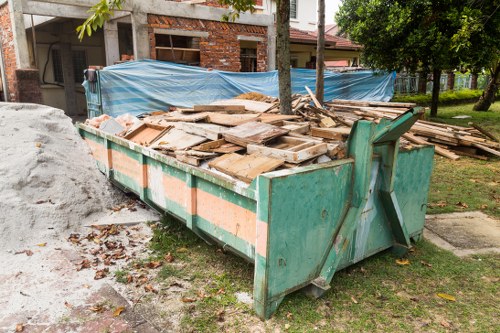
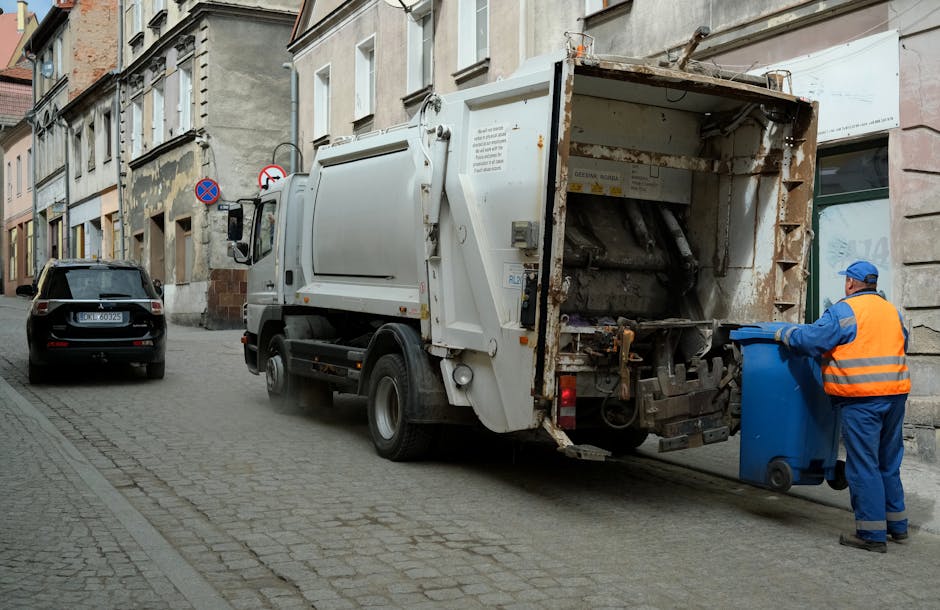
Business waste removal in Covent Garden needs to be organised around busy premises, mixed building layouts and a steady flow of everyday commercial refuse. We provide a practical service for offices, hospitality venues, shops, studios and managed properties that need waste taken away without disrupting the working day. The focus is on removing commercial rubbish cleanly, sorting it sensibly, and leaving usable space ready for normal operations.
Our service covers recurring clear-outs as well as one-off collections, with attention to the type of waste being handled and the best way to move it from the premises. That can include office paper, packaging, broken fixtures, shelving, non-hazardous commercial rubbish and general clutter built up in back rooms, storage areas or staff spaces. For businesses with tighter access or shared entrances, planning the collection well matters as much as the removal itself.
Use the sections below to see how we approach different kinds of business waste, what affects the work, and where quotations can be arranged. If you are comparing options, start with the main collection need and then note the material types, access points and preferred timing. See pricing and quote information if you want to understand the factors before you enquire.
Commercial collections for everyday waste streams
Business waste removal is rarely just about loading bags into a van. Premises generate a combination of bagged rubbish, cardboard, mixed packaging, old display materials and unwanted stock that may need separating before it leaves site. We handle that work as part of a commercial collection, helping businesses keep storage areas, reception spaces and back-of-house rooms in better order. Where sorting is sensible, it supports a tidier collection and makes later disposal easier to plan.
Some businesses need regular movement of light but bulky material, while others only need a single clearance after an internal change. Offices may accumulate file storage, chairs, broken cabinets and redundant IT peripherals, while retail units can build up packaging, damaged fixtures and shelf components. The right approach depends on what the waste is made of, how it is stored, and whether any items need to be separated before collection.
Office waste and internal clear-outs

Office waste removal often involves more than just paper recycling. Desks, task chairs, filing units, storage cupboards and mixed desk-side rubbish can all build up as teams reconfigure rooms or reduce unused furniture. We can clear items from workspaces, meeting rooms and storage areas so that the remaining layout is easier to manage. Office clearance support is especially useful where a business needs a fuller removal of surplus furnishings alongside general waste.
Internal clear-outs are most effective when the useful items are separated from waste before the collection begins. That does not require a perfect inventory, but it does help to know which objects are staying, which are being moved elsewhere and which are ready for disposal. For example, files may need secure handling, while desks and cupboards may need to be taken apart for easier removal. If a room has a mix of loose paper, cardboard and broken office furniture, grouping the material by type can save time on site.
In a busy premises, the main decisions are usually about access and timing. Lift use, stairways, loading restrictions and shared corridors can all affect how an office collection is handled. If you need to move waste from several floors or from rooms with limited clearance, it is better to plan that at the quotation stage rather than leave it to the day of the job. That way the collection can be matched to the layout and the volume involved.
Shop, hospitality and mixed commercial premises
Retail and hospitality businesses often produce a broad mix of rubbish rather than one simple waste stream. Broken display stands, unwanted stock packaging, worn counter items, kitchen-side bags and backroom clutter may all need removing together. We approach those collections in a way that keeps the visible parts of the premises as tidy as possible, while also dealing with the less obvious storage and staff areas where waste tends to accumulate.
Where the waste includes shelving, lightweight fixtures or redundant presentation pieces, it is useful to think about whether any items can be reused or whether everything is headed for disposal. That distinction matters for planning, because reusable stock and waste do not always move in the same way. If a business has seasonal changes, refurbishment work or a stock turnover that has left material piled in corners, a structured collection can help restore workable space without overcomplicating the process.
What helps a collection run smoothly
Two simple steps usually make commercial waste removal more straightforward: first, identify the items that must go, and second, make them accessible. That might mean placing bagged rubbish together, moving loose cardboard away from fixed furniture, or clearing a route to a loading point. If there are items that need dismantling, it is helpful to separate those from the rest of the load so that the collection can be managed efficiently.
Access details matter as much as the waste itself. Shared entrances, limited parking, loading bays, concierge controls and narrow stairs can all affect how a team plans the work. Even when the volume is modest, the collection may still need careful coordination if the premises are in a busy commercial street or within a building with restricted entry. A short description of the site layout is often enough to shape a practical plan.
When waste is ready, a quote can be based on the material type, amount, access and disposal requirements. Clear information about any bulky objects or awkward routes is more useful than broad estimates, because it lets the collection be matched to the actual task. If you are preparing a request, keep it simple and specific: what needs removing, where it is located and whether anything needs dismantling first.
Furniture, fixtures and bulky items

Businesses often need help when old furniture or shop fittings are no longer suitable for the space. Desks, chairs, tables, shelving, reception units and other bulky objects can take up valuable room long after they stop being useful. We can remove these items as part of a business waste collection or a fuller clear-out, depending on how much material there is and how it is arranged on site. Furniture clearance is useful when the task is mainly about large items rather than loose rubbish.
Bulky items create different handling needs from bagged waste. Some can be carried out intact, while others may need to be separated into smaller parts to move safely through the premises. Items with mixed materials, such as wood, metal and fabric, may also need to be dealt with differently from plain recyclable packaging. That is why businesses benefit from describing the actual objects rather than using a broad label such as “furnitureâ€. A chair, a counter and a storage cabinet may all require different handling on site.
Where commercial furniture is being replaced, it is common to combine the old items with lighter rubbish from the same area. The collection can then clear a room in one visit rather than creating multiple small interruptions. That is often the best option when the aim is to free up stockrooms, office corners or back rooms quickly and leave the space ready for its next use.
Safe handling of specialist waste
Some business waste cannot simply be mixed into a general clearance. Items such as fridges, appliances, certain electricals and other special materials may need separate handling because of their construction, weight or disposal route. We provide a collection service for selected specialist items where the material and condition are suitable for removal. Fridge and appliance removal is a practical option when bulky equipment has become redundant but still needs careful moving.
For businesses holding unusual or potentially sensitive waste, it is important to identify the item correctly before arranging removal. A small under-counter fridge, a large catering appliance and a damaged office device are not the same job, even if they all look like “old equipment†at first glance. Some items may also need to be checked for access issues, residue or dismantling before collection. If you are unsure what category an object falls into, describe its purpose, size and condition rather than guessing.
Not every special item can be included with routine waste, and that is why a precise enquiry matters. If a premises has several categories of unwanted material, it may be best to split them by type so the collection can be scheduled and handled sensibly. This keeps the work clearer for both sides and reduces the chance of avoidable delays when the team arrives.
Waste types, sorting and disposal choices
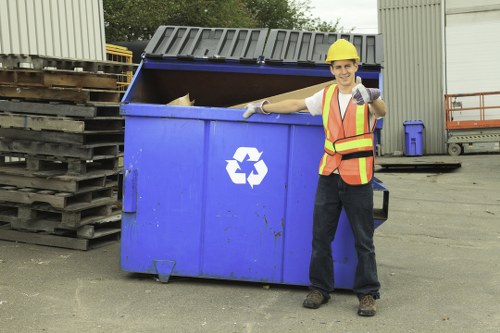
Commercial rubbish is usually easier to manage when the main waste types are identified in advance. Cardboard, mixed packaging, broken office fittings, general refuse and large reusable or recyclable items do not always belong in the same pile. Recycling and sustainability information is relevant where a business wants to understand how waste streams may be separated rather than handled as one mixed load.
A sensible approach is to think first about what the item is made from and second about whether it can be moved as a single object. For example, a cardboard waste pile can often be bagged or flattened, while a broken unit with metal frames and laminate surfaces may need more careful sorting. This matters because a cleaner, better-organised load can be assessed and processed more accurately. It also helps premises avoid treating every leftover item as the same kind of rubbish when they are not.
List the material or item category, then note any complications. Useful details might include whether the waste is dry or damp, whether it includes glass or metal, and whether there are several pickup points within the building. The more exact the description, the easier it is to match the collection to the actual waste stream and to avoid unnecessary back-and-forth before the job is arranged.
About Covent Garden
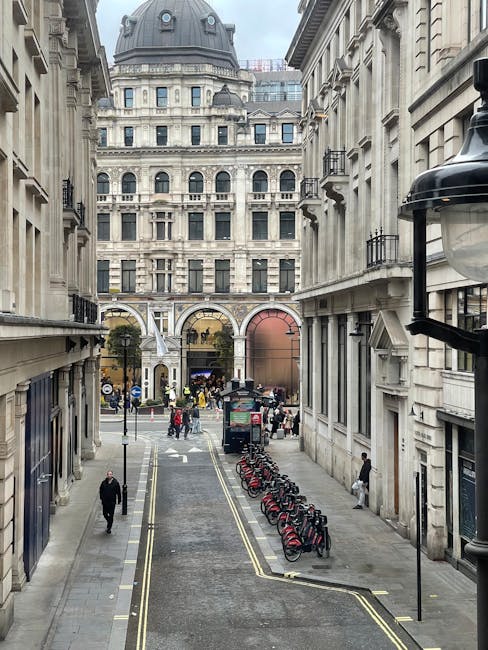
Covent Garden is an area in central London known for its long association with theatre, markets and dense urban streets. Its name is often linked to the former convent garden of Westminster, and the district later developed into a place of shops, performance venues and public spaces. Today the area is shaped by a mix of historic streets, converted buildings and modern commercial activity, with pedestrian routes that draw visitors between the market buildings and nearby streets. The Piazza remains one of the most recognisable landmarks, framed by arcades and active ground-floor uses. The Royal Opera House is another major cultural presence, adding to the area’s long-standing identity as a centre for performance. Covent Garden’s streets also reflect layers of urban change, from older building forms to later retail and hospitality uses. The nearby transport links and relatively compact street pattern give the district a busy, enclosed feel, while side streets and courtyards provide a quieter contrast to the main thoroughfares. The area sits within the wider West End and continues to combine heritage architecture with contemporary commercial life, which makes it one of London’s best-known mixed-use neighbourhoods.
Planning a collection for your premises
When you are ready to arrange business waste removal, the most useful starting point is a short description of the premises and the waste involved. A clear note about the type of business, the main materials and any access limits gives a much better basis for planning than a vague request for “a clear-outâ€. If there are multiple rooms, floors or access points, mention those too so the collection can be planned around the actual layout rather than guessed in advance.
It also helps to think about whether the waste is all ready in one place or spread across the site. Collections are usually easier when the material has already been gathered into the intended pickup area, but that is not always possible in occupied premises. If items are still in use, are attached to fittings or need separating from keep items, describe that clearly. We can then look at the practical side of the removal and prepare a quotation around the real work involved. Request a quotation when you have the details ready, and include any notes that will help us assess the collection properly.
If you would like to move ahead, keep the enquiry focused on what needs taking away, where it is located and whether any special handling is involved. You can also use the business waste removal pages above to review related services before choosing the right option. When you are ready, send the details and ask for a quotation in plain terms.
Why businesses choose a structured removal
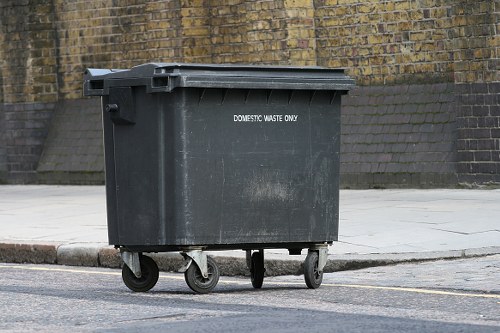
Structured waste removal helps businesses keep operations clearer and storage areas more usable. Rather than treating every unwanted object as a separate task, the collection is organised around the actual load, the site layout and the type of disposal needed. That makes it easier to manage office clearances, retail back-of-house waste, unwanted furniture and mixed commercial rubbish in a way that suits the premises rather than interrupting them.
Where items are awkward, bulky or spread around the building, it is sensible to decide in advance what must be removed and what should stay in place. A well-planned collection can avoid confusion at the point of uplift and reduce the chance of objects being left behind because they were not described properly. For businesses working in shared buildings or busy streets, that clarity is often just as important as the physical removal itself.
To finish, think about the job in three parts: the waste, the access and the timing. Those three details are usually enough to shape a practical quotation for business waste removal in Covent Garden. If your premises need a clear-out, send the details and ask for a quotation when you are ready.